Artmaking in Clinical Training for Conceptualization Integration and Selfawareness
Introduction
Healthcare workers, especially those immersed in palliative care, appoint with life and death situations and dilemmas on a 24-hour interval-to-day ground and are exposed to the immense stress of finish-of-life caregiving. Amid these challenges, they are expected to provide unwavering compassionate care to dying patients and their families with firsthand responsiveness (Vachon, 1995). Nevertheless, they receive minimal support for the mental, emotional, and spiritual strains that result from the intense nature of their work, as they oftentimes suffer in silence from the vicarious trauma of witnessing the sufferings and deaths of their patients. Repeated studies take found that exhaustion is a common phenomenon constitute amongst healthcare workers caring for dying patients, as recurrent encounters with grief and loss, coupled with a lack of self-care and mounting work-related stress are all conduits to poor mental health (Koh et al., 2015, 2020; Ho, 2021). The negative effects of unresolved piece of work-related stress can trickle down to patients and the rest of the healthcare team, threatening the quality, safety, and integrity of patient care. Despite the many detrimental impacts of burnout, in that location is a scarcity of holistic and empirically tested interventions to support the mental wellness of healthcare workers (Mateen and Dorji, 2009). In that location is clearly an urgent need to develop an constructive mental health self-care program for professional person careers, as protecting their mental health is an urgent global public health priority (World Wellness Organization, 2016).
Burnout is a reaction to chronic job-related stress and occurs when individuals become overwhelmed with the mental, emotional, and physical distress associated with their professional work. Defined every bit "a state of burnout in which one is cynical almost the value of one's occupation and doubtful of ane's capacity to perform" (Maslach et al., 1996), burnout tin can translate into a "literal plummet of the human spirit" (Storlie, 1979), leading to diverse mental wellness morbidities including low, anxiety, and hopelessness (Huang et al., 2009). Such effects inevitably result in loss of clinical hours that amount to major financial losses in healthcare systems (Dill and Cagle, 2010), an example being an estimated Us$four.6 billion almanac loss in the US healthcare due to such causes (Han et al., 2019). The impact of exhaustion extends to concrete health, correlating with somatic complaints, weakening of the immune system, diabetes, coronary heart disease, cardiovascular diseases, and musculoskeletal pain (Melamed et al., 2006; Salvagioni et al., 2017). Exhaustion has too been constitute to crusade aloofness and hopelessness among healthcare workers, negatively affecting their self-esteem, expression of empathy, and condom of intendance (Dewa et al., 2017; Wilkinson et al., 2017). Most alarmingly, burnout has consistently been identified equally the leading cause of major medical errors amid surgeons and physicians in active exercise (Shanafelt et al., 2010; Tawfik et al., 2018). Repeated studies take establish that healthcare workers around the world are experiencing alarmingly high levels of burnout, ranging from 47 to 70% in the US (Campbell et al., 2010; Ripp et al., 2011), and 71.8 to lxxx.vii% in Singapore (Come across et al., 2016; Lee et al., 2018). Dill and Cagle (2010) farther reported that due to stress and exhaustion, turnover rate of in-patient hospice workers stands at a worrying 30% and reaches as loftier equally 60% for homecare workers, posing peachy disruptions to care continuity also as threats to care quality. These figures may very well worsen with population crumbling and the relative increment in the demand for palliative care in all advanced societies.
End-of-life caregiving, by its very nature, necessitates strong levels of psycho-socio-emotional competence. Adequately supporting healthcare workers to better cope with caregiving stress requires interventions that promote self-care behaviors for enhancing one's sense of autonomy, emotional regulation, and empathic capacity (Rushton et al., 2013). Such interventions would need to provide avenues to cultivate resilience via pregnant-making to derive a renewed appreciation and purpose of one's caregiving roles (Ablett and Jones, 2007). Of particular, importance is establishing a communal platform for healthcare workers to periodically reflect on their own attitudes, feelings, and anxieties related to loss and grief, while being able to limited and share their thoughts with their peers to build common respect, empathetic understanding, and collegial support (Chan and Tin, 2012). Emotion-focused and meaning-focused coping strategies that contain inventiveness and expressive arts have proven to best help achieve these intervention goals for empowering healthcare workers (Nainis, 2005).
Over the by two decades, a burgeoning of the literature on mindfulness practice and art-based therapy has revealed their beneficial effects on mental health promotion and stress reduction. Mindfulness do enables individuals to melody into their immediate experience and emotionality with openness, curiosity, and acceptance (Bishop et al., 2008), thus fostering a deepened understanding of self with greater emotional regulation, together with the potential for developing self-kindness and self-compassion toward painful experiences (Neff, 2003). A 2014 systematic review and meta-analysis of high-quality randomized controlled trials (RCT) found that mindfulness-based interventions provide both brusque-term and long-term benefits to individuals' physical and psychological health, including the reduction of stress, anxiety, depressive symptoms, and improvement in chronic affliction direction (Victorson et al., 2015). Fine art therapy provides individuals with the means to reframe and communicate experiences and feelings that are difficult to comprehend and verbalize, enabling deep reflections, and artistic cocky-expressions that transcend the barriers of language (McNiff, 2007), thereby empowering one'due south sense of self-mastery, interconnectivity, and capacity for healing (Potash et al., 2018). A 2016 systematic review institute that art-based therapy is effective in the treatment and aids the recovery of people suffering from depression, mail-traumatic stress disorder, and other mental illnesses (Van Lith, 2016). Health and mental health professionals can obtained training and support from qualified art therapists to ethically integrate art making into their clinical practices equally a therapeutic tool (Kalmanowitz and Potash, 2009).
The integration of mindfulness practices and art-based therapy for addressing the self-care needs of palliative intendance professionals is a scarcely explored area (Rappaport, 2013). Building on the clinical foundation of art therapy-based supervision (Potash et al., 2014, 2015) for palliative care workers, while augmenting it with a advisedly curated program of mindful-compassion practices (Gilbert and Choden, 2014), together with didactic learning processes that accentuate self-care knowledge through psychoeducation (Dark-brown, 2018), a novel Mindful-Compassion Art-based Therapy (MCAT) for mental health self-intendance was developed. MCAT is a highly structured, multimodal, and group-based intervention that aims at creating a supportive platform for healthcare workers to deeply reflect, explore, and creatively limited their insights and experiences of stress and self-care, caregiving competences and caregiving challenges, loss and grief in facing patients' expiry, and aspirations and meaning of caregiving. These interactive processes serve to foster self-understanding, interconnectedness, internal strength, and cocky-compassion. The ultimate goal of MCAT is to alleviate burnout, cultivate resilience, and promote mental wellness among healthcare workers caring for dying patients. This commodity reports the clinical efficacy of MCAT. As a pilot written report, no a priori hypotheses were developed.
Materials and Methods
This intervention written report adopted a dual-arm open-label waitlist RCT blueprint comprising two groups: an immediate-treatment group and a waitlist-control group. The trial was registered on February 22nd, 2018. Healthcare workers were recruited for the study. Pre-, post-, and follow-up information were collected and analyzed to evaluate intervention effectiveness in achieving the stated objectives. Ethical blessing was received from the Nanyang Technological University's Institutional Review Lath (IRB-2015-04-021) prior to the offset of the written report.
Sampling
Report participants comprised 56 frontline healthcare workers recruited from HCA Hospice Care, the largest dwelling house hospice care provider in Singapore (N=56). Sample size was calculated based an 80% power to observe an effect size (Cohen's d) of 0.8 (Lambert and Ogles 2004) between the treatment group and the control group at 5% level of significance (two-tailed test); the minimum sample required is 52, or 26 in each group. Inclusion criteria included healthcare workers (i.e., physicians, nurse, medical social workers, and allied wellness professionals) whose primary job was caring for terminally ill patients, 21years erstwhile and to a higher place, and fluent in both written and spoken English. Exclusion criteria included the inability to provide informed consent or major depression (or other mental health atmospheric condition) or both.
Intervention Design
Mindful-Compassion Art-based Therapy comprised 6week, eighteen hours, standardized, and group-based intervention that integrates the reflective power of mindfulness meditation with the expressive power of art-based therapy to back up and raise the psycho-socio-emotional wellness of healthcare workers. MCAT was collaboratively delivered by two MCAT therapists including ane accredited art therapist and one clinical researcher trained in mindfulness-based stress reduction. Each MCAT group was heterogeneous and included 9–10 physicians, nurses, social workers, allied health professionals, personal care workers, and hospice program staffs. Each MCAT session covered a unique topic that aims to promote understanding, acceptance, and compassion for self and others to cultivate psychological resilience and shared meaning. The topics are strategically designed to build upon each other calendar week by week with a scaffolding framework that deepens the exploration of self-awareness, the practice of self-intendance, and the promotion of communal back up though a series of connected themes Starting with Week 1 – Overview of and Empowering Cocky-Care; followed by Week 2 – Understanding and Transforming Stress; Week iii – Inspirational Caregiving; Week 4 – Challenging Caregiving; Week 5 – Understanding Loss and the Impact of Grief; and concluding with Week 6 – Renewing Aspirations and Meaning Reconstruction. Each weekly session began with a check-in session to provide opportunities for participants to talk over questions relevant to the materials covered in previous weeks while allowing MCAT therapists to make a connective transition between weekly topics and themes (5min); this is followed by a mini psychoeducation module comprising of an interactive lecture back up by visual aids that introduces the foundational theory and empirical inquiry that accentuate the selected topic (10min); a mindfulness meditation with a theme-based guided imagery exercise (25min); a facilitated expressive art-making session that center on the selected theme (45min); a short pause (10min); a creative and reflective writing activity (35min); small grouping and large grouping sharing (40min); and ending with a mindful breathing check-out (5min). The integration of these therapeutic elements aimed to provide participants with the foundational noesis on various aspect of self-care, deepen cerebral awareness, and understanding of their emotionality, while empowering them to exist fully enlightened and clear of the immediacy of their experiences, and to capeesh the actuality of their self-reflections, creative expressions, personal insights, and commonage wisdoms generated through individual and group piece of work. A detailed intervention protocol is published elsewhere (Ho et al., 2019), and Table 1 outlines the MCAT intervention components.

Tabular array one. Mindful-Pity Fine art-based Therapy intervention framework.
Research Procedures
Potential participants were referred to the research squad past the medical managing director of collaborating site, with the understanding that they would be given allocated time during regular working hours to participate in the MCAT intervention without any fiscal implications. Potential participants were besides assured that refusal to participate is respected and would not upshot in any negative consequences. Recruitment was conducted through 3 sequentially overlapping rounds, and each recruitment round comprised 18–20 participants. Upon completion of informed consent and baseline assessments, participants were randomized in either the immediate-treatment grouping or the waitlist-control group. Elementary randomization for each recruitment round was conducted by using an resource allotment sequence based on a computer-generated list of random numbers. Specifically, a random number sequence ranging from ane to 18 or 20 (depending on the number of participants recruited in each recruitment round) was generated via Research Randomizer (Urbaniak and Plous, 2019). Thereafter, each participant was randomly assigned a unique number from the sequence. Participants whose numbers occupy the first nine to 10 slots in the sequence were assigned to the firsthand-treatment grouping, whereas participants whose numbers occupy the last nine or 10 slots were assigned to the waitlist-control group. Self-administered quantitative assessments were conducted for both groups at baseline (T1), thereafter the immediate-treatment group underwent the six-calendar week MCAT intervention. Participants in the waitlist-control group did not receive whatsoever intervention for the outset 6weeks. Upon completion of MCAT among the immediate-handling grouping, both groups were assessed once again (T2). Subsequently, the waitlist-control group received the same 6-calendar week MCAT intervention. At the end of all intervention components, a final exit assessment was conducted on both groups (T3). A menstruum diagram of recruitment and study conduct is provided in Figure 1.
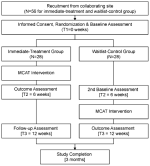
Figure 1. Study Flow Diagram.
Outcome Measures
Outcomes were assessed with quantitative and qualitative measures. All report participants were assessed by a battery of standardized self-reported psychometric measures on burnout, resilience, emotional regulation, and quality of life at baseline (T1), immediately mail-intervention/2nd-baseline at 6weeks (T2) and follow-up assessment/immediately mail-intervention at 12weeks (T3). In addition to the quantitative assessment, large group sharing during from all MCAT sessions were recorded with participants' consent and transcribed verbatim for analysis.
Quantitative Measures
Demographic information including age, gender, marital status, organized religion, professional roles, employment status, and years of professional person feel in end-of-life care was nerveless at baseline. Chief outcomes included burnout and resilience. Exhaustion was assessed by the 16-items Maslach Burnout Inventory – Full general Survey (MBI-GS; Maslach et al., 1996), with higher scores representing greater work-related stress (Baseline Cronbach α=0.81). The MBI-GC assesses three domains of burnout, including exhaustion, cynicism, and professional efficacy; scoring for professional person efficacy is reversed, with lower scores representing greater burnout. Resilience was assessed past the 11-detail Ego-Resilience Revised Scale (ER-11; Farkas and Orosz, 2015), with higher scores corresponding to greater trait resilience (Baseline Cronbach's α=0.78). The ER-11 assesses three domains of resilience, including active appointment with the globe, problem-solving strategies, and integrated performance under stress. The MBI-GS and ER-eleven possess internal validity, reliability, and cross-cultural applicability.
Secondary outcomes included self-reported levels of emotional regulation, self-pity, death mental attitude, and quality of life. Emotional regulation was assessed past the 39-items Five Facet Mindfulness Questionnaire (FFMQ; Baer et al., 2008), with higher scores representing college level of emotional regulation (Baseline Cronbach α=0.89). The FFMQ assesses five domains of emotional regulation, including the power to observe, and describes one'southward experience, human action with awareness, non-judgment of experience, and nonreactivity to intrusive thoughts. Cocky-pity was assessed past the 12-items Cocky-Compassion Scale (SCS) Short Class (Raes et al., 2011), with higher scores representing higher self-compassion (Baseline Cronbach α=0.84). The SCS assesses six domains of self-compassion, including self-kindness, mindfulness, common humanity, self-judgment, isolation, and over-identification; scoring for self-judgment, isolation, and over-identification are reversed, with lower score indicating higher self-compassion. Decease attitude was assessed past the 32-items Death Attitude Contour-Revised (DAP-R; Wong et al., 1994), which measures seven unique domains of expiry attitudes, with college scores representing college levels of fear of expiry (Baseline Cronbach α=0.85), decease abstention (Baseline Cronbach α=0.90), arroyo acceptance (Baseline Cronbach α=0.81), escape acceptance (Baseline Cronbach α=0.91), neutral credence (Baseline Cronbach α=0.82), personal acceptance (Baseline Cronbach α=0.62), and afterlife belief (Baseline Cronbach α=0.88; Ho et al., 2010). Finally, quality of life was measured by the 8-item EUROHIS Quality of Life Scale-viii (EUROHIS-QoL-8; da Rocha et al., 2012), with higher scores representing greater quality of life (Baseline Cronbach's α=0.84). Once more, the FFMQ, SCS, DAP-R, and EUROHIS-QoL-8 possess internal validity, reliability, and cross-cultural applicability.
Qualitative Measures
Weekly grouping sharing was audio recorded and transcribed verbatim. In addition, all artworks together with creative and cogitating writings created past study participants were documented and categorized as supplementary data. To protect the confidentiality of the participants, identifying information was removed and pseudonames were assigned to each participant before analysis.
Data Analyses
Quantitative data were entered, stored, and analyzed using SPSS statistical assay software. Baseline demographic characteristics between intervention and waitlist-control groups are presented either number (%) for categorical variables or mean (SD: standard deviation) for quantitative variables. The firsthand-treatment group and waitlist-control grouping were compared on the primary outcomes and secondary outcomes. To examine the changes in continuous consequence variables between group and over, mixed model ANOVAs were conducted for each issue with the appropriate ways, F ratio, value of p, and the effect size estimates of Eta-Squared (η two) reported. Post-hoc tests using the Bonferroni correction were too conducted to command for error. Moreover, i-fashion ANOVAs were performed for the immediate-handling group with an additional time point. All assay was adapted for baseline demographic variables (historic period, gender, marital condition, education, faith, employment status, professional roles, and years of professional feel). All p-values were based on ii-tailed tests of significance and those less than 0.05 were considered statistically pregnant. Qualitative information were managed by the QSR NVIVO software package. Weekly group sharing was audio recorded, transcribed verbatim, and verified by research team members, equally well as all participants' creative and cogitating writings. All qualitative data were analysis using thematic analysis which involved several steps of data reduction and data reconstruction (Braun and Clarke, 2006). Get-go, authors 1 and two conducted multiple reading of the transcripts and narrative writings to familiarized themselves with the data. Author 1 and 2 so conducted line-by-line coding to develop descriptive themes and analytical categories that represented a patterned response or significant within the data which captured something important in relation to the research question (Pope et al., 2000). This was followed by regular meetings among all authors for the farther refinement of themes and categories to encapsulate the meaning and content within the cluster of similar codes, with the emergent themes and sub-themes created via a summary chart. All authors reviewed and defined the emergent themes; once consensus was reached, and operational definitions were created. To maximize credibility, criticality, and authenticity, strategies, such as theory triangulation, research triangulation, and fellow member checking, were exercised throughout the analytical process.
Results
Participant Demographics
A total of 56 participants were successfully recruited and completed the report with no attrition throughout the entire research period. Participants were aged betwixt 23 to 64years (M=44.40, SD=x.97), predominantly female person (75%) and accept completed a bachelor'due south degree or in a higher place (77%). The majority of participants was nurses (48%), followed by physicians (14%), medical social workers (14%), and allied care professionals (14%). The years of finish-of-life care experience ranged from fifty to 30years (M=five.08, SD=5.80), with the majority having ane to 5years of experience (lxx%). There were no statistically pregnant differences in demographic measures between treatment group and control grouping. Please refer to Table ii for more information regarding participants' demographics.

Tabular array 2. Participant demographic information.
Quantitative Findings
Results from mixed model ANOVAs reveal significant interaction effects between firsthand-handling group and waitlist-control group across time. Specially, handling group participants experienced significant reduction in mental exhaustion [16.48 vs. 17.48; F(two, 108)=3.27, p=0.042, η 2=0.065] immediately upon MCAT completion as compared to waitlist control. Treatment group participants as well experienced significant improvements in overall emotional regulation [16.89 vs. sixteen.37; F(1.7, 91.8)=v.34, p=0.006. η two=0.170], nonreactivity to intrusive thoughts [3.46 vs. three.29; F(1.7, 91.8)=5.32, p=0.009, η 2=0.090], arroyo acceptance of death [42.03 vs. 39.07; F(1.vii, 93.7)=four.22, p=0.022, η 2=0.072], and afterlife conventionalities [11.21 vs. 9.78; F(2, 108)=iii.97, p=0.022, η ii=0.068] immediately later intervention as compared to waitlist command. Outcome sizes of these changes were medium to large. These findings reflect MCAT'due south robust efficacy for burnout reduction and wellness promotion among healthcare workers. Details of mixed model ANOVAs are provided in Tabular array 3.
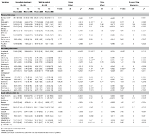
Table 3. Outcome comparisons between treatment and control groups using mixed model ANOVAs.
Results from follow-up one-way ANOVAs reveal that the handling gains of reduced mental burnout [16.76 vs. 20.97; F(2, 56)=13.72, p<0.001, η 2=0.329] and increased overall emotional regulation [16.98 vs. 15.85; F(2, 56)=12.65, p<0.001, η 2=0.311] were maintained amidst treatment group participants at 12-weeks follow-upward compared to baseline, with new benefits identified. These include increased ability to detect [3.59 vs. 3.29; F(two, 56)=6.09, p=0.004; η 2=0.179] and depict [3.34 vs. 3.00; F(2, 56)=9.82, p<0.001, η ii=0.260] ane'south internal and external experiences, elevated overall self-compassion [41.66 vs. 38.45; F(2, 56)=10.80, p<0.001, ηtwo =0.278], greater mindful sensation [7.69 vs. seven.24; F(2, 56)=four.10, p=0.022, η two=0.211], enhanced common humanity (or interconnectedness to others) [7.59 vs. 6.59; F(two, 56)=7.48, p=0.001, η ii=0.128], and amend quality of life [32.31 vs. 28.79; F(two, 56)=11.89, p<0.001, η 2=0.298] amidst treatment group participant at 12-weeks follow-up compared to baseline. Effect sizes of these changes were large. These findings reflect the positive balance effects of MCAT, likewise equally its ability to generate new handling benefits beyond intervention completion. Details of one-manner ANOVAs are provided in Table 4.
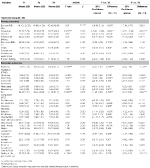
Table 4. Within treatment group analysis using 1-manner ANOVAs.
Qualitative Findings
The qualitative data from the group sharing among MCAT participants, together with their creative and reflective writing supported by their art works, provided further insights on the intervention's efficacy and therapeutic mechanisms in reducing burnout, building resilience, nurturing pity, and fostering collegial back up. The following section provides an illustrative summary of the qualitative findings generated through thematic analysis.
Reducing Burnout
The multimodal therapeutic nature of MCAT provided participants with the much-needed fourth dimension and infinite to reflect on their own cocky-care needs and what they can practise to alleviate work-related stress. For instance, a 54-year-old medical social worker shared that "Yous are expected to fill quite a lot of shoes… and that'southward why information technology'south and so important to put yourself get-go y'all know, and care for yourself first." Such self-reflection led to a deepened self-agreement and a renewed appreciation for mindful living for calming the emotional burden of end-of-life caregiving. A 47-yr-old physician shared "Our work is filled with strong emotions… Sometimes we really have to pause and but exhale, breathe in peace, calmness and sensation, earlier nosotros can perform our task again." Upon deep reflection followed by the creation of a Mandala of Self-Intendance and reflective fine art observation (see Figure 2A), a 36-year-old nurse described in her reflective writing that caring for oneself can be as simple as paying attention to one's emotion in the immediacy of ane'due south experience: "We need to live non in the past nor the future, but in the present." These vivid art-based narratives highlight the efficacy of MCAT in burnout reduction and the promotion of mental health cocky-care.
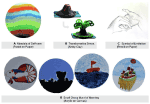
Figure 2. (A) Mandala of cocky-care (Pastel on paper). (B) Transformative stress (Airdry clay). (C) Symbols of limitation (Pencil on paper). (D) Pocket-size grouping landscape of meaning (Acrylic on canvas).
Building Resilience
Understanding one's sources of stress, illustrating this profound feeling via expressive arts, and thereafter articulating the experience through words empowered participants to build internal strengths and resources for coping with work-related stress. A 32-twelvemonth-old social worker shared "I wanted to exist able to encompass my stress instead of fixing my stress… I experience at present (subsequently reflective art-making) I tin actually cope with stress better." This augmentation of reflective self-awareness with artistic self-expression rendered through the MCAT integrative model too enabled participants to await at their experience of loss and grief with greater acceptance and psychological flexibility. A 42-year-former nurse wrote about her experience with losing a patient, "When all is drowning and sinking in adversity, we need to be even so and persevere, to encompass the trapping moves and see them as a dance of life." Being able to transform 1'due south cognitive appraisal of agin events through creating a Symbol of Stress as represented by an active volcano and thereafter changing information technology into a lush wood through the transformative fine art exercises (see Figure 2B), a 28-year-old medical social worker expressed in her cogitating writing, "Stress may not be a bad thing, it tin bring out the brilliance in people." MCAT's capability and mechanisms for resilience building are accentuated by the arts and narratives of all study participants.
Nurturing Pity
Mindfulness practices coupled with theme-based guided imagery rendered through MCAT provided a nurturing platform for participants to develop greater empathy and kindness for themselves and for their patients. A 54-year-old nurse shared "When I am focusing on breathing through my nose… information technology made me recall about my patient who was really struggling for a jiff… I came to appreciate the gift of animate." Participants were able to integrate their ain experiences with that of their patients – this sparked an awareness and acknowledgment of the interconnectedness and common humanity between them and their patients. A 58-twelvemonth-sometime nurse shared "The journeys of illness are long and waving, there are many ups and downs… many patients struggle to find peace and hope… I wish for them to be prophylactic and at-home." In creating a Symbol of Limitation that illustrates the challenge and stagnation one had experienced in support dying patients (see Figure 2C), a 53-year-old doctor shared in his reflective writing, "While I desire to hold on to the hands of the vulnerable, I also recognize that I myself am a vulnerable being who needs honey and support." Such eloquent and honest narratives underscore MCAT'due south capacity in non only nurturing pity for others, but besides compassion for self.
Fostering Collegial Support
The weekly scaffolding of deepened self-reflection, art making, and group sharing empowered participants to tell their own unique stories as an end-of-life caregiver, while seeing the connectedness betwixt their ain experiences with those of their group members. This mechanism allowed participants to take a bird'due south eye view of their collective challenges while finding ways to achieve improve mental wellness. A 60-year-old nurse shared "I see happiness in all the art pieces that were created today… Happiness can be very uncomplicated, happiness in what nosotros are content with." The emotional connections and relational bonds created were further solidified through the grouping mural activities in the last 2weeks of MCAT, where participants were asked to identify art pieces that are similar in colors and compositions for developing a joint story that tells their collective experiences. In creating a small group landscape on the theme of meaning (run across Figure second), participants were able to expand their views on life with a more than positive and fluid mindset, as they expressed in their reflective writing, "Nosotros are often fixated on looking at things at horizon levels, but what we see is not all that there is. Deep down in the bluish run into lies cute fishes, loftier upward in the heavens there is a beautiful paradise. It is up to us to find meaning of information technology all." In being able to establish a renewed sense of collective meaning, participants widened their perspectives toward life and expiry with less rigid attachments for greater mental wellness. A large group landscape created jointly by all participants of an MCAT group together with the therapists (see Figure three) were illustrated past their verse form entitled "Seasons of Life," "Allow the fallen leaves be the nourishment for next spring, together in this journey of life."

Effigy iii. Large grouping landscape – 'Seasons of Life' (Acrylic on sail).
Word
This is the outset known empirical study that has developed and tested a multimodal intervention that integrates mindfulness practise and art-based therapy for protecting and supporting the mental health of healthcare workers. MCAT aims to mitigate the detrimental effects of burnout and to foster psychological resilience among the healthcare workers immersed in the field of palliative end-of-life care. Utilizing a robust waitlist RCT design, the overall quantitative findings revealed that MCAT was effective in reducing mental exhaustion, enhancing emotional regulation and nonreactivity to intrusive thoughts, and fostering positive death attitudes among firsthand-treatment group participants when compared to waitlist control across time. Treatments gains on mental burnout and emotional regulation were maintained at 12-weeks follow-up with new benefits identified, such as improvements in the power to observe and depict ane's feelings, thoughts and emotions, do cocky-compassion and mindful awareness, and experience a deepened sense of common humanity and elevated quality of life. All meaning findings are marked past medium to mostly large effect sizes, reflecting the clinical efficacy and positive residual furnishings of the intervention. The qualitative data and brilliant art-based narratives created by study participants also provided valuable insights into MCAT's therapeutic mechanisms for reducing burnout, edifice resilience, nurturing compassion, and fostering collegial support amid healthcare workers. These findings add robust bear witness to the growing literature of mindfulness exercise and art-based therapy for health and wellness promotion, together with a novel, integrative, and bear witness-based therapeutic modality for mental health self-care.
Interpreting the Findings
MCAT is founded upon a multimodal epitome that amalgamates mindful wistful reflections with art-based cocky-expressions as well as cursory psychoeducation for instilling cognitive, emotional, and behavioral changes that gear toward healing and psychological wellbeing. The striking findings generated from this RCT tin be attributed to the various therapeutic underpinnings of this innovative intervention. First, MCAT which is rooted in the foundation of mindfulness exercise and art-based therapy is found to be moderately effective for reducing mental exhaustion amid healthcare workers who are prone to burnout due to the often-overwhelming stress of caring for dying patients. This upshot is in line with the comprehensive meta-analysis conducted by Khory et al. (2013), who have identified strong evidence to support the efficacy of mindfulness-based therapies in reducing feet, low, and stress among clinical populations with consolidated event sizes ranging from small-scale to medium in pre-post comparison and waitlist-control studies. The result is also aligned with the burgeoning trunk of inquiry that has reported artistic cocky-expression through fine art making and art-based narratives as an important vehicle for burnout reduction and wellness promotion among healthcare workers (Huet and Holttum, 2016; Huet, 2017; Tjasink and Soosaipillai, 2019; Kaimal et al., 2020). Of note, treatment gains in reduced mental exhaustion were not only maintained but also enhanced past a 5-folds increase in effect size at 12-weeks follow-up. These results highlight a robust maintenance effect of MCAT, where participants continued to reap intervention benefits long afterward treatment completion, and are reflective of the sustained efficacy of a multimodal framework that broaden mindfulness practice, expressive art making, and psychoeducation.
Second, results from this study show that MCAT was highly effective in promoting overall emotional regulation and nonreactivity to intrusive thoughts amid healthcare workers who are constantly exposed to immensely emotionally charged stop-of-life caregiving encounters. Handling gains for increased emotional regulation were not but maintained but also enhanced by a 2-folds increment in effect size at 12-weeks follow-up, over again accentuating a strong maintenance issue of the intervention. Moreover, new robust benefits including participants' ability to notice their internal and external experiences including perceptions, feelings, and thoughts; to depict and label their feelings, sensations, and experiences with words; and to feel life with greater mindful awareness were identified at 12-weeks follow-upwards. These findings reveal that participants were able to obtain greater cocky-awareness and self-understanding non only during the treatment period but as well well across handling completion, equally they continue to commence on a sustainable journey of self-care and personal growth amidst the daily challenges of caring and supporting the dying and the bereaved. These findings also aligned with a burgeoning of enquiry that have identified the effectiveness of mindfulness practices in fostering emotional regulation, and especially magnetic resonance imaging studies (MRI) and functional MRI studies that bear witness the ability of mindfulness meditations in activating brain regions that are involved in cocky-regulation, focused problem solving, adaptive behavior, and interoception (Boccia et al., 2015).
Third, the study findings reveal that MCAT was moderately effective in fostering positive attitudes toward death among healthcare workers who are faced with mortality on a day-to-twenty-four hour period basis, including approach acceptance to death and the belief in the prospect of an afterlife where the deceased can be reunited with loved ones. While these impacts were not maintained at 12-weeks follow-up, mayhap due to participants existence continuously afflicted past their patients' suffering and mortality, MCAT had nonetheless provided an invaluable opportunity for healthcare workers to explore and process their feelings of grief and loss in a supportive team-based surround. Such reflective opportunities are hard to come by in conventional healthcare workplace environments, if at all. In contrast, enquiry has consistently establish that palliative care professionals do not receive adequate support in dealing with the trauma and empathy fatigue resulting from deaths of patients (Kubler-Ross, 1970; Melvin, 2015; Ho, 2021). Empathy fatigue can significantly impair ones' power to exercise their craft competently and ethically as their own wounds are continually revisited by their patients' chronic illness, disability, mortality, and loss (Stebnicki, 2008), resulting in extraordinary stress, emotional and physical exhaustions, numbness, disengagement from patients, and the disability to continue to provide quality intendance. By offering an open and supportive platform to reverberate and talk over their stories and experiences of grief, of which are oftentimes profound and ineffable through words only are now made attainable and articulatable through self-expressive art-based narratives, MCAT was able to create a safe space for healthcare workers to heal, to mend the wounds of their personal lives that are touched by their caregiving experiences, and to bring closure to the losses that they take encountered in their professional lives. This newly created platform and the intervention benefits that information technology brings tin can potentially be sustained through booster sessions and the establishment of regular ritualistic activities at the workplace, all of which tin can serve to address the collective grief experienced past the healthcare squad while replenishing their empathic capacity to meliorate cope with fatigue and burnout.
Finally, MCAT was found to accept the ability to generate new and robust handling benefits after intervention completion at 12-weeks follow-up among healthcare workers, including the cultivation of cocky-compassion, a deepened sense of mutual humanity, and elevated quality of life. While these findings are in accord with those reported separately in research on mindful self-compassion and art-based therapy (Germer and Neff, 2013; Hass-Cohen and Findlay, 2015), MCAT removes the boundaries of intervention to form a more holistic and complete therapeutic modality that can lead to long-term benefits. Nether the MCAT framework, participants can attain greater cocky-agreement through deeply reflecting on their past and current experiences, discover self-kindness through creative expression and joint of their thoughts and emotions, and feel affirmation, personal growth, and collective healing by sharing their stories with supportive others in an empathic environment. All these therapeutic processes are fused to form new insights and sustainable pathways for cognitive appraisal, meaning-making, emotional regulation, self-intendance behaviors, and collegial support that gear toward greater mental wellbeing. This integrative mechanism further empowers narrative identity processing (Pals, 2006) for healthy personality development and positive self-transformation with difficult life experiences (McAdams, 2011).
Distinctly, the whole of MCAT is greater than the sum of its parts. Healthcare workers are non only invited to reflect on their experiences or limited their minds, but also are supported through a scaffolding of intricately curated therapeutic activities that inspire continuous self-discoveries and embodied reflexive practices (Schön, 1983; Thompson and Thompson, 2008), those that tin be integrated into one's way of life and endure the examination of time. Reflexivity infused with self-intendance chapters drives cognitive, emotional, behavioral, and relational transformations for developing sustainable resilience, marked not only by the ability to recover from and develop resistance to stressful events, but also the reconfiguration of one's beliefs and value organization to adapt and possibility withstand hereafter adversities (Lepore and Revenson, 2006).
Limitations and Future Research
Despite the many promising findings generated from this RCT, a few caveats must be noted. First, this is a pilot study with a pocket-size participant sample recruited from a single healthcare institution. This study scope may have influenced the implementation and outcome of MCAT, and future research could expand the sample size and study sites to include a variety of healthcare institutions, such as acute and customs hospitals, in- and out-patient hospices, also as other residential intendance facilities. Second, in spite of the numerous pregnant positive impacts that MCAT was able to generate, results revealed that treatment group participants only experienced marginally significant improvements in the primary outcome of resilience every bit compared to waitlist command immediately postal service-intervention. This finding, or lack thereof, may be due to the way in which resilience is synthetic inside the ER-eleven mensurate, which comprises agile date with the globe, performance nether stress, and problem-solving repertoire. This constitution does not appear to align with how resilience is existence experienced by MCAT participants, which involved cognitive reappraisal, significant-making, acceptance, and self-kindness. Future research may consider a more than fitting measurement of resilience. Third, the current implementation of MCAT is manpower intensive and requires physical in-person facilitation. With the ongoing and unrelenting global public health crisis that has imposed persistent and restrictive physical distancing measures, the popularization of telemedicine and virtual social services is inevitable and may well stay equally office of the new COVID-19 normal. Thus, future renditions of MCAT need to consider a digital adaption to improve accessibility, equity, and inclusion. Finally, this report is conducted in Singapore, a multiracial, and multicultural order with distinctive variants of Asian civilization and languages. Hence, future inquiry could expand the program to different socio-cultural settings to examine MCAT'due south applicability and effectiveness amidst more diverse ethnic groups and population cohorts, including other types of caregivers, such every bit family careers. An ongoing report is being conducted to develop and examine a modified version of MCAT for dementia care (i.e., MCAT-DC). Concisely, a waitlist RCT design has been adopted to appraise the efficacy of a 4-weekly, x-hours, standardized, and group-based intervention for reducing caregiving stress, perceived brunt, and psychological distress, while improving resilience, hope, spiritual wellbeing, and quality of life among a sample of 104 dementia family caregivers. MCAT-DC is delivered through a hybrid physical and virtual format using Zoom engineering with existent time programming. Future research needs to carefully consider the implementation science and target populations for enhancing acceptability and scalability in a post-pandemic earth.
Determination
Protecting the mental health of healthcare workers is an urgent global public health priority as chosen on past the Earth Health Organization and major healthcare institutions effectually the globe (World Health Organization, 2016; Søvold et al., 2021). Peculiarly, those immersed in palliative and end-of-life caregiving are prone to immense levels of piece of work-related stress and alarming burnout rates. As many healthcare workers endure in silence with poor mental health, a trickledown effect could prove detrimental to the quality, prophylactic, and integrity of patient intendance. There is currently a dearth of empirically informed and clinically proven mental wellness intervention for this vulnerable population group. Findings from this written report have revealed MCAT'south robust clinical potential to support and improve healthcare workers' mental health through an innovative, holistic, and one-of-its-kind multimodal therapeutic framework. MCAT integrates the reflective power of mindfulness meditation with the expressive power of art-based therapy for reducing burnout, building resilience, nurturing compassion, fostering collegial back up, and ultimately promoting holistic wellness. MCAT'due south clinical framework is standardized, well-defined, and conspicuously operationalized, of which can be easily applied to and adopted in unlike caregiving contexts for empowering mental health self-intendance amongst diverse cohorts of caregivers. This written report has generated new knowledge contributing to the advancement of theories and practices in caregiver support, mental health research, mindfulness modalities, art-based interventions, and integrative psychotherapies.
Data Availability Argument
The original contributions presented in the study are included in the commodity/supplementary material, and further inquiries can be directed to the corresponding writer.
Ethics Statement
The studies involving human being participants were reviewed and approved by the NTU Institutional Review Lath (IRB). The patients/participants provided their written informed consent to participate in this study.
Author Contributions
AH, GT-H, and JP conceptualized and designed the written report. AH obtained the funding, projection supervision, and drafted the manuscript. GT-H, TN, GO, PC, and DD was involved in the coordination and implementation of the research report, as well as drafting of the manuscript. AH and GO delivered the MCAT intervention. TN conducted the statistical analysis. All authors contributed to data interpretation, too equally the writing and revision of the manuscript.
Funding
The MCAT study (grant no. M4081570.100) is funded by the Nanyang Technological University (NTU) Commencement-Up Grant, and the MCAT-DC written report (grant ref. ARISE/2017/23) is funded by the Arise Strategic Initiatives Fund of the Ageing Enquiry Institute for Social club and Didactics at NTU.
Conflict of Interest
The authors declare that the inquiry was conducted in the absenteeism of any commercial or financial relationships that could be construed every bit a potential disharmonize of interest.
Publisher's Note
All claims expressed in this article are solely those of the authors and do not necessarily represent those of their affiliated organizations, or those of the publisher, the editors and the reviewers. Whatever product that may be evaluated in this article, or claim that may be made by its manufacturer, is not guaranteed or endorsed by the publisher.
Acknowledgments
The research team would like to limited their heartfelt gratitude to HCA Hospice Care. Moreover, the inquiry squad is sincerely grateful to Ms. Choo Ping Ying, the dedicated staff, and pupil volunteers at the Action Enquiry for Community Health (ARCH) Lab for their support in project implementation and data analysis, besides as all research participants for their generous contributions to the MCAT RCT study.
References
Ablett, J. R., and Jones, R. S. P. (2007). Resilience and well-being in palliative care staff: a qualitative study of hospice nurses' experience of work. Psycho-Oncology 16, 733–740. doi: 10.1002/pon.1130
PubMed Abstract | CrossRef Full Text | Google Scholar
Baer, R. A., Smith, G. T., Lykins, East., Button, D., Krietemeyer, J., Sauer, S., et al. (2008). Construct validity of the v facet mindfulness questionnaire in meditating and nonmeditating samples. Assessment 15, 329–342. doi: 10.1177/1073191107313003
PubMed Abstract | CrossRef Total Text | Google Scholar
Bishop, South. R., Lau, M., Shaprio, S., Carlson, L., Anderson, N. D., Carmody, J., et al. (2008). Mindfulness: a proposed operational definition. Clin. Psychol. Sci. Pract. 11, 230–241. doi: 10.1093/clipsy.bph077
CrossRef Full Text | Google Scholar
Boccia, M., Piccardi, L., and Guariglia, P. (2015). The Meditative Listen: A Comprehensive Meta-Analysis of MRI Studies. Biomed. Res. Int. 2015:419808. doi: ten.1155/2015/419808
CrossRef Full Text | Google Scholar
Braun, Five., and Clarke, V. (2006). Using thematic assay in psychology. Qual. Res. Psychol. three, 77–101. doi: x.1191/1478088706qp063oa
CrossRef Full Text | Google Scholar
Brown, Due north. W. (2018). Psychoeducational Groups Process and Exercise. New York: Routledge.
Google Scholar
Campbell, J., Prochazka, A. Five., Yamashita, T., and Gopal, R. (2010). Predictors of persistent burnout in internal medicine residents: a prospective accomplice report. Acad. Med. 85, 1630–1634. doi: 10.1097/ACM.0b013e3181f0c4e7
PubMed Abstract | CrossRef Full Text | Google Scholar
Chan, W. C. H., and Tin, A. F. (2012). Beyond knowledge and skills: cocky-competence in working with death, dying, and bereavement. Expiry Stud. 36, 899–913. doi: ten.1080/07481187.2011.604465
PubMed Abstract | CrossRef Full Text | Google Scholar
da Rocha, N. South., Ability, M. J., Bushnell, D. Yard., and Fleck, K. P. (2012). The EUROHIS-QOL 8-detail index: comparative psychometric properties to its parent WHOQOL-BREF. Value Health xv, 449–57. doi: 10.1016/j.jval.2011.11.035
CrossRef Full Text | Google Scholar
Dewa, C. S., Loong, D., Bonato, S., and Trojanowski, L. (2017). The relationship between doc burnout and quality of healthcare in terms of safety and acceptability: a systematic review. BMJ Open 7:e015141. doi: x.1136/bmjopen-2016-015141
PubMed Abstruse | CrossRef Full Text | Google Scholar
Dill, J. Due south., and Cagle, J. (2010). Caregiving in a patient'due south place of residence: turnover of directly care workers in dwelling intendance and hospice agencies. J. Crumbling Health 22, 713–733. doi: x.1177/0898264310373390
PubMed Abstruse | CrossRef Total Text | Google Scholar
Germer, C. Thousand., and Neff, Yard. D. (2013). Self-compassion in clinical practise. J. Clin. Psychol. 69, ane–12. doi: 10.1002/jclp.22021
CrossRef Full Text | Google Scholar
Gilbert, P., and Choden,. (2014). Mindful Compassion: How the Science of Compassion Can Help You Understand Your Emotions, Live in the Present, and Connect Deeply with Others. Oakland, CA: New Straw Publications.
Google Scholar
Han, S., Shanafelt, T. D., Sinsky, C. A., Awad, K. M., Dyrbye, L. N., Fiscus, 50. C., et al. (2019). Estimating the owing cost of physician burnout in the United States. Ann. Intern. Med. 170, 784–790. doi: 10.7326/M18-1422
CrossRef Full Text | Google Scholar
Hass-Cohen, N., and Findlay, J. C. (2015). Art Therapy and the Neuroscience of Relationships, Inventiveness, & Resiliency. New York, NY: W. W. Norton & Company.
Google Scholar
Ho, A. H. Y. (2021). "Challenges and coping strategies of not-palliative care professionals caring for dying patients." Newspaper Presented at the 32nd International Congress of Psychology [Virtual], The Czech and Moravian Psychological Guild; July 19–24; Prague, Czech republic.
Google Scholar
Ho, A. H. Y., Chan, C. 50. West., Chow, A. Y. Chiliad., Pon, A. K. L., and Ng, S.-M. (2010). Psychometric properties of the Chinese version (C-DAP-R) of the death attitude profile-revised. Illn. Crisis Loss 18, 95–110. doi: x.2190/IL.18.two.b
CrossRef Full Text | Google Scholar
Ho, A. H. Y., Tan-Ho, G., Ngo, T. A., Ong, G., Chong, P. H., Dignadice, D., et al. (2019). A novel mindful-compassion art therapy (MCAT) for reducing exhaustion and promoting resilience for end-of-life care professionals: a waitlist RCT protocol. Trials 20:406. doi: 10.1186/s13063-019-3533-y
PubMed Abstract | CrossRef Total Text | Google Scholar
Huang, Y.-L., Yates, P., and Prior, D. (2009). Factors influencing oncology nurses' approaches to accommodating cultural needs in palliative care. J. Clin. Nurs. 18, 3421–3429. doi: x.1111/j.1365-2702.2009.02938.ten
PubMed Abstract | CrossRef Full Text | Google Scholar
Huet, 5. (2017). Example study of an art therapy-based grouping for work-related stress with hospice staff. Int.J. Art Therapy 22, 22–34. doi: 10.1080/17454832.2016.1260039
CrossRef Full Text | Google Scholar
Huet, V., and Holttum, S. (2016). Art therapy-based groups for work-related stress with staff in health and social care: an exploratory report. J. Art Therapy fifty, 46–57. doi: 10.1016/j.aip.2016.06.003
CrossRef Full Text | Google Scholar
Kaimal, Chiliad., Mensinger, J. L., and Carroll-Haskins, Chiliad. (2020). Outcomes of collage art-based and narrative cocky-expression among home hospice caregivers. Int. J. Art Therapy 25, 52–63. doi: 10.1080/17454832.2020.1752756
CrossRef Full Text | Google Scholar
Kalmanowitz, D., and Potash, J. South. (2010). Ethical considerations in the global teaching and promotion of art therapy to non-art therapists. Arts Psychother. 37, twenty–26. doi: 10.1016/j.aip.2009.11.002
CrossRef Total Text | Google Scholar
Khoury, B., Lecomte, T., Fortin, M., Masse, M., Therien, P., Bouchard, 5., et al. (2013). "Mindfulness-based therapy: a comprehensive meta-analysis," in Database of Abstracts of Reviews of Furnishings (DARE): Quality-assessed Reviews [Net]. York, UK: Centre for Reviews and Dissemination.
Google Scholar
Koh, One thousand. Y. H., Chong, P. H., Neo, P. S. H., Ong, Y. J., Yong, Westward. C., Ong, W. Y., et al. (2015). Burnout, psychological morbidity and use of coping mechanisms among palliative intendance practitioners: a multi-Centre cross-sectional study. Palliat. Med. 29, 633–642. doi: x.1177/0269216315575850
PubMed Abstract | CrossRef Full Text | Google Scholar
Koh, M. Y. H., Hum, A. Y. M., Khoo, H. Southward., Ho, A. H. Y., Chong, P. H., Ong, W. Y., et al. (2020). Burnout and resilience After a decade in palliative care: what survivors have to teach us. A qualitative study of palliative care clinicians With more than Than x years of experience. J. Pain Symptom Manag. 59, 105–115. doi: 10.1016/j.jpainsymman.2019.08.008
PubMed Abstract | CrossRef Total Text | Google Scholar
Kubler-Ross, Due east. (1970). On Death and Dying. New York, NY: Tavistock Publications.
Google Scholar
Lambert, M. J., and Ogles, B. M. (2004). "The efficacy and effectiveness of psychotherapy," in Bergin and Garfield'due south Handbook of Psychotherapy and Behavior Alter 5th Edn. eds. Grand. J. Lambert (New York, NY: Wiley), 139–193.
Google Scholar
Lee, P. T., Loh, J., Sng, M., Tung, J., and Yeo, Thou. Thou. (2018). Empathy and exhaustion: a report on residents from a Singapore institution. Singap. Med. J. 59, fifty–54. doi: 10.11622/smedj.2017096
PubMed Abstract | CrossRef Full Text | Google Scholar
Lepore, S. J., and Revenson, T. A. (2006). "Resilience and posttraumatic growth: recovery, resistance, and reconfiguration," in Handbook of Posttraumatic Growth: Research & Practise. eds. L. Yard. Calhoun and R. 1000. Tedeschi (Mahwah, NJ: Lawrence Erlbaum Associates Publishers), 24–46.
Google Scholar
Maslach, C., Jackson, S. Eastward., and Leiter, M. (1996). "The maslach burnout inventory manual," in Evaluating Stress: A Volume of Resources. Vol. 3. eds. C. P. Zalaquett and R. J. Wood (Palo Alto: Consulting Psychologists Press), 191–218.
Google Scholar
Mateen, F. J., and Dorji, C. (2009). Wellness-care worker exhaustion and the mental health imperative. Lancet 374, 595–597. doi: 10.1016/S0140-6736(09)61483-v
CrossRef Full Text | Google Scholar
McAdams, D. P. (2011). "Narrative identity," in Handbook of Identity Theory and Enquiry. eds. S. Schwartz, Grand. Luyckx, and V. Vignoles (New York, NY: Springer), 99–115.
Google Scholar
McNiff, S. (2007). Fine art as Medicine: Creating a Therapy of the Imagination. London: Shambhala Publications.
Google Scholar
Melamed, S., Shirom, A., Toker, S., Berliner, S., and Shapira, I. (2006). Burnout and risk of cardiovascular disease: testify, possible causal paths, and promising enquiry directions. Psychol. Bull. 132, 327–353. doi: ten.1037/0033-2909.132.iii.327
PubMed Abstract | CrossRef Full Text | Google Scholar
Melvin, C. South. (2015). Historical review in agreement burnout, professional compassion fatigue, and secondary traumatic stress disorder from a hospice and palliative nursing perspective. J. Hosp. Palliat. Nurs. 17, 66–72. doi: 10.1097/NJH.0000000000000126
CrossRef Total Text | Google Scholar
Neff, Yard. (2003). Cocky-compassion: an alternative conceptualization of a healthy attitude toward oneself. J. Int. Soc. Self Identity 2, 85–101. doi: 10.1080/15298860309032
CrossRef Full Text | Google Scholar
Pals, J. L. (2006). Narrative identity processing of difficult life experiences: pathways of personality evolution and positive self-transformation in machismo. J. Pers. 74, 1079–1109. doi: 10.1111/j.1467-6494.2006.00403.ten
PubMed Abstract | CrossRef Full Text | Google Scholar
Potash, J. S., Bardot, H., Wang, X. L., Chan, F., Ho, A. H. Y., and Cheng, C. (2014). Mandalas as indicators of burnout among cease-of-life intendance workers. J. Appl. Arts Health 4, 363–377. doi: x.1386/jaah.4.3.363_1
CrossRef Total Text | Google Scholar
Potash, J. Due south., Chan, F., Ho, A. H. Y., Wang, X. 50., and Cheng, C. (2015). A model for fine art therapy-based supervision for stop-of-life care workers in Hong Kong. Expiry Stud. 39, 44–51. doi: ten.1080/07481187.2013.859187
PubMed Abstract | CrossRef Total Text | Google Scholar
Potash, J. South., Ho, R. T. H., and Ho, A. H. Y. (2018). Citizenship, compassion, the arts: people living with mental illness need a caring community. Soc. Alter 48, 238–259. doi: 10.1177/0049085718768911
CrossRef Total Text | Google Scholar
Raes, F., Pommier, Eastward., Neff, Yard. D., and Van Gucht, D. (2011). Construction and factorial validation of a curt form of the cocky-pity scale. Clin. Psychol. Psychotherapy 18, 250–255. doi: ten.1002/cpp.702
CrossRef Total Text | Google Scholar
Rappaport, L. (2013). Mindfulness and Arts Therapies: Theory and Practise. London: Jessica Kingsley Publishers.
Google Scholar
Ripp, J., Babyatsky, G., Fallar, R., Bazari, H., Bellini, L., Kapadia, C., et al. (2011). The incidence and predictors of job burnout in get-go-yr internal medicine residents: a v-institution written report. Acad. Med. 86, 1304–1310. doi: 10.1097/ACM.0b013e31822c1236
CrossRef Full Text | Google Scholar
Rushton, C. H., Kaszniak, A. W., and Halifax, J. Southward. (2013). A framework for understanding moral distress amidst palliative intendance clinicians. J. Palliat. Med. xvi, 1074–1079. doi: ten.1089/jpm.2012.0490
PubMed Abstruse | CrossRef Full Text | Google Scholar
Salvagioni, D. A. J., Melanda, F. North., Mesas, A. E., González, A. D., Gabani, F. L., and Andrade, S. M.de. (2017). Physical, psychological and occupational consequences of job exhaustion: a systematic review of prospective studies. PLoS One 12:e0185781. doi: 10.1371/journal.pone.0185781
PubMed Abstruse | CrossRef Full Text | Google Scholar
Schön, D. (1983). The Reflective Practitioner. New York: Bones Book.
Google Scholar
Run across, K. C., Lim, T. One thousand., Kua, Due east. H., Phua, J., Chua, G. Due south., and Ho, K. Y. (2016). Stress and burnout amid physicians: prevalence and adventure factors in a Singaporean internal medicine plan. Ann. Acad. Med. Singap. 45, 471–474.
PubMed Abstract | Google Scholar
Shanafelt, T. D., Balch, C. M., Bechamps, G., Russell, T., Dyrbye, 50., Satele, D., et al. (2010). Exhaustion and medical errors among American surgeons. Ann. Surg. 251, 995–chiliad. doi: 10.1097/SLA.0b013e3181bfdab3
PubMed Abstruse | CrossRef Total Text | Google Scholar
Søvold, L. E., Naslund, J. A., Kousoulis, A. A., Saxena, S., Qoronfleh, M. W., Grobler, C., et al. (2021). Prioritizing the Mental Health and Well-Existence of Healthcare Workers: An Urgent Global Public Health Priority. Front. Public Health 9:679397 doi: 10.3389/fpubh.2021.679397
PubMed Abstruse | CrossRef Total Text | Google Scholar
Stebnicki, M. A. (2008). Empathy Fatigue: Healing the Mind, Body and Spirit of Professional Counselors. New York: Springer Publishing Visitor.
Google Scholar
Tawfik, D. S., Profit, J., Morgenthaler, T. I., Satele, D. V., Sinsky, C. A., Dyrbye, L. Due north., et al. (2018). Physician burnout, well-being, and work unit safety grades in relationship to reported medical errors. Mayo Clin. Proc. 93, 1571–1580. doi: 10.1016/j.mayocp.2018.05.014
PubMed Abstract | CrossRef Full Text | Google Scholar
Thompson, S., and Thompson, N. (2008). The Critically Reflective Practitioner. Hampshire: Palgrave Macmillan.
Google Scholar
Tjasink, M., and Soosaipillai, G. (2019). Art therapy to reduce burnout in oncology and palliative care doctors: a pilot study. Int. J. Fine art Therapy 24, 12–20. doi: x.1080/17454832.2018.1490327
CrossRef Full Text | Google Scholar
Van Lith, T. (2016). Fine art therapy in mental health: a systematic review of approaches and practices. Arts Psychother. 47, nine–22. doi: ten.1016/j.aip.2015.09.003
CrossRef Total Text | Google Scholar
Victorson, D., Kentor, M., Maletich, C., Lawton, R. C., Kaufman, Five. H., Borrero, M., et al. (2015). Mindfulness meditation to promote health and manage chronic disease: a systematic review and meta-analysis of mindfulness-based randomized controlled trials relevant to lifestyle medicine. Am. J. Lifestyle Med. 9, 185–211. doi: 10.1177/1559827614537789
CrossRef Full Text | Google Scholar
Wilkinson, H., Whittington, R., Perry, L., and Eames, C. (2017). Examining the relationship between burnout and empathy in healthcare professionals: a systematic review. Fire. Res. 6, 18–29. doi: ten.1016/j.burn.2017.06.003
PubMed Abstract | CrossRef Full Text | Google Scholar
Wong, P. T., Reker, G. T., and Gesser, G. (1994). "Death mental attitude profile—revised: A multidimensional measure of attitudes toward death," in Death Anxiety Handbook: Research, Instrumentation, and Awarding. (ed.) R. A. Neimeyer (Philadelphia: Taylor & Francis), 121–148.
Google Scholar
World Health Organisation. (2016). Working for Health and Growth: Investing in the Wellness Workforce - Report of the High-Level Commission on Health Employment and Economic Growth. Geneva, Switzerland: World Health Organisation.
Google Scholar
Source: https://www.frontiersin.org/articles/10.3389/fpsyg.2021.744443/full

Post a Comment for "Artmaking in Clinical Training for Conceptualization Integration and Selfawareness"